Ship Car from West Virginia to Delaware
Shipping a vehicle from West Virginia to Delaware covers approximately 394 miles, with typical carrier transit times ranging between 2 and 3 days. While this mid-Atlantic haul is relatively short, the route along I-68 E requires careful coordination to ensure a smooth handoff. As a referral service, we connect you with vetted carriers who specialize in these regional corridors. This guide covers everything you need to know about current shipping costs, transit timelines, the booking process, and how to verify carrier insurance so you can move your vehicle with total confidence.
- No-obligation quote within 2 minutes
- Price all-inclusive
- No charge until driver confirmed
- Distance
- 394 mi
- Transit time
- 2–3 days
- Open carrier from
- $650
How much does it cost to ship a car from West Virginia to Delaware?
Shipping a vehicle from West Virginia to Delaware typically costs between $650 and $875 for open transport, while enclosed shipping for high-value vehicles generally ranges from $1,150 to $1,525 for the 394-mile trip. This 2-to-3-day transit is handled by independent carriers who physically move the car, while Ship Car Pros acts as a referral service to match you with a vetted driver from our network. Because every shipment is unique, several factors drive the final price, including the size of your vehicle, the specific pickup and delivery locations, and current fuel costs. Understanding how these variables stack up helps you choose the right service level for your budget. In the following sections, we will break down the specific cost factors, compare trailer types, and explain how to prepare for your shipment.
What factors affect car shipping cost?
Several variables determine where your quote falls within the typical price range. While the distance remains constant, how your vehicle fits into a carrier’s existing route changes the math.
- Vehicle dimensions and weight: Larger vehicles like full-size SUVs or heavy trucks take up more trailer space and increase fuel consumption.
- Transport type: Choosing an open trailer is the standard, cost-effective method, while enclosed transport adds a significant premium for extra protection.
- Pickup and delivery flexibility: Giving a wider window of four to seven days allows carriers to optimize their schedules, which often results in a lower rate.
- Seasonal demand: Prices fluctuate during peak moving months or winter weather events when driver availability is tighter.
- Route accessibility: Shipping between major hubs near I-68 is typically more affordable than requiring a driver to navigate remote or rural backroads.
- Vehicle operability: If your car cannot be driven onto the trailer, the carrier must use a winch and specialized loading equipment.
Open vs. enclosed car transport: which should you choose?
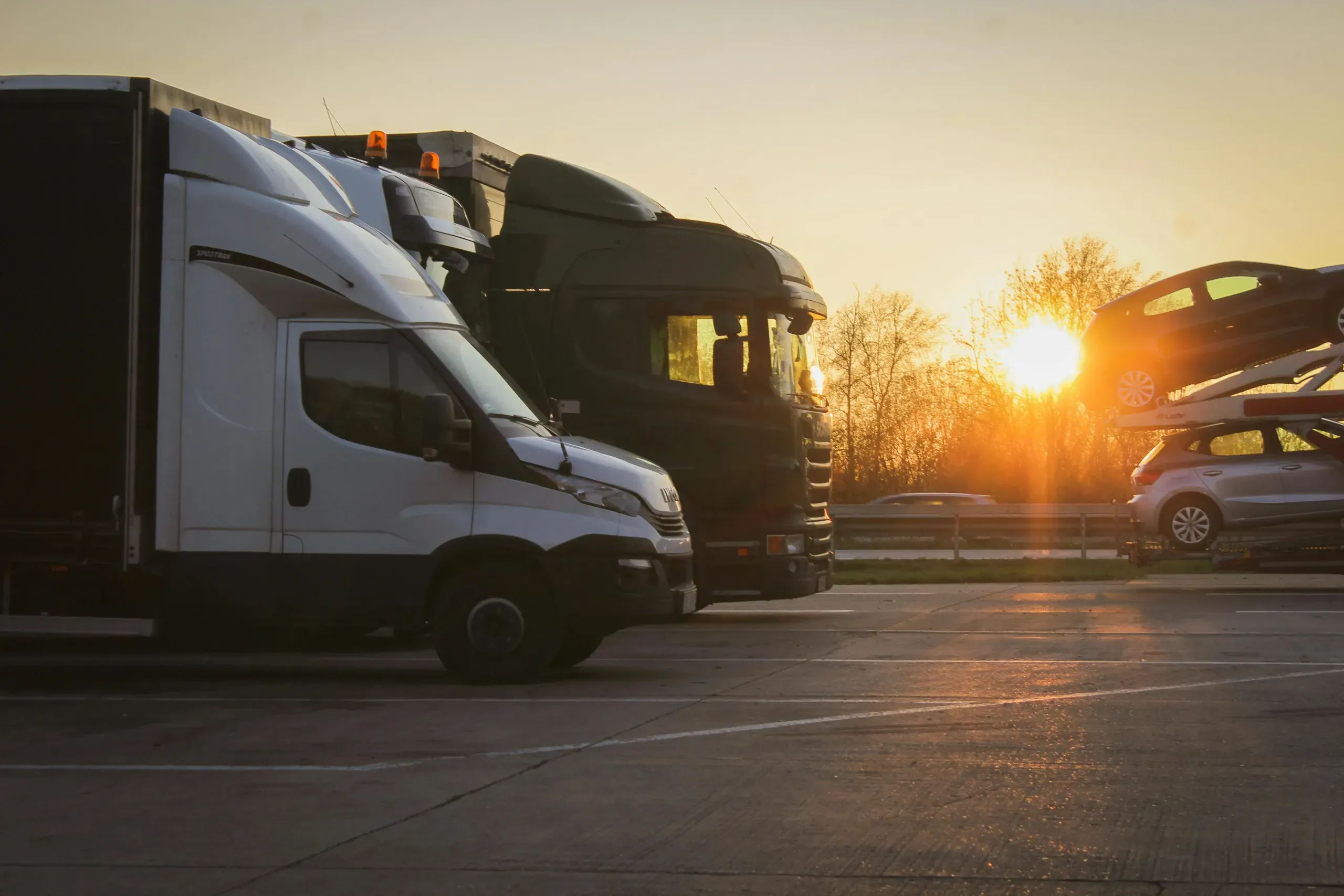
Deciding between open and enclosed transport usually comes down to the value of your vehicle and your tolerance for the elements. Open transport is the industry standard, utilized for roughly 85% of all shipments. For this 394-mile route, open transport typically costs around $730. Your car travels on a multi-car trailer, similar to those used to deliver new vehicles to dealerships. It is safe and fully insured, though exposed to rain and road dust.
Enclosed transport typically costs around $1,278 for the same trip. This premium covers a specialized trailer that shields your vehicle from weather and road debris. We generally recommend this option for classic cars, luxury models, or vehicles with very low ground clearance. If you are shipping a daily driver like a sedan or SUV, open transport is the most practical choice. However, if your vehicle is a high-value investment or has a custom paint job, the added protection of an enclosed trailer is often worth the extra expense.
- Open carrier
- $650–$875
- Standard 7–10 car hauler.
- Enclosed carrier
- $1,150–$1,525
- Sealed trailer for high-value vehicles.
How long does it take to ship a car from West Virginia to Delaware?
Shipping a vehicle across the 394 miles from West Virginia to Delaware typically takes between 2 and 3 days for transit. Most carriers can cover about 400 to 500 miles in a full day of driving, but the total timeframe includes the time needed for loading, fueling, and mandatory rest stops required for driver safety. Because this route is relatively short, your car usually arrives quickly once it is physically on the trailer. Keep in mind that while the drive itself is fast, the overall schedule also depends on the carrier’s pickup window and the specific locations for your handoff. Next, we will look at how pickup windows work and how you can prepare your vehicle for the driver’s arrival.
Which routes do carriers usually take?
Carriers moving vehicles from West Virginia typically begin by congregating near Morgantown or the Eastern Panhandle, where access to the federal highway network is most efficient. The primary route follows I-68 E, a vital freight link that carries drivers across the rugged Allegheny Mountains toward Maryland. This stretch requires navigating several steep 7% grades, including the climb over Big Savage Mountain, before the terrain levels out. Most transporters then transition to I-70 E and I-95 N to reach Delaware’s urban hubs like Wilmington or Newark. While the drive is relatively short, drivers must account for potential wind restrictions on the Delaware Memorial Bridge and heavy congestion near the I-95/SR-896 interchange, which can add minor delays to the final delivery window.
What can delay your shipment?
While this 394-mile trip is relatively short, transit times can fluctuate based on the specific geography of the mid-Atlantic. In winter, heavy snow squalls and whiteout conditions on high-elevation stretches of I-68-particularly near Coopers Rock and the Maryland border-can force carriers to pause for safety. During warmer months, dense fog belts in the West Virginia river valleys often slow morning progress.
Logistical factors also play a role. Carriers often wait until Monday or Tuesday to pick up vehicles booked late on a Friday, and coordinating multi-vehicle loads can add a day to the schedule. If you are shipping from an auction like Copart, missing gate pins or lot numbers will cause immediate delays. Ship Car Pros works to minimize these gaps by connecting you with drivers familiar with these local mountain and coastal patterns.
Popular Routes
Major city-to-city routes on the West Virginia → Delaware corridor.
| From | To | Approx. distance | Transit |
|---|---|---|---|
| Huntington, WV | Dover, DE | ~380 mi | 2-4 days |
| Charleston, WV | Wilmington, DE | ~340 mi | 2-4 days |
| Morgantown, WV | Elsmere, DE | ~230 mi | 2-4 days |
| Parkersburg, WV | Newark, DE | ~310 mi | 2-4 days |
| Wheeling, WV | Middletown, DE | ~270 mi | 2-4 days |
| Weirton, WV | Smyrna, DE | ~270 mi | 2-4 days |
| Martinsburg, WV | Milford, DE | ~140 mi | 2-4 days |
| Fairmont, WV | Seaford, DE | ~250 mi | 2-4 days |
| Beckley, WV | Georgetown, DE | ~320 mi | 2-4 days |
| Clarksburg, WV | Millsboro, DE | ~270 mi | 2-4 days |
How does shipping a car from West Virginia to Delaware work?
Shipping a vehicle from West Virginia to Delaware is a straightforward three-stage process involving an initial quote, a coordinated pickup, and final delivery. First, you provide your vehicle details and timeline to receive an all-inclusive quote. Once matched with a carrier, the driver performs a thorough inspection at your pickup location before heading east. Finally, the vehicle is delivered to your destination in Delaware, where a second inspection ensures everything arrived safely. This sequence keeps the logistics simple while providing clear checkpoints for your vehicle’s security.
What happens between booking and pickup?
Once you accept your quote, we move quickly to bridge the gap between your request and the actual loading of your vehicle. As a referral service, Ship Car Pros streamlines the logistics so you aren't left guessing when a driver will arrive.
- Post to the network: We list your shipment details on the national load board where thousands of independent carriers view available freight.
- Carrier assignment: A vetted carrier specializing in the West Virginia to Delaware corridor claims the load and is officially dispatched to your order.
- Dispatch notification: You receive the carrier’s company name, the specific driver’s name, and their direct phone number.
- Window confirmation: The driver contacts you directly to provide a specific pickup window, usually a one-to-three-day range.
- On-site arrival: The driver arrives at your location to perform the pre-transport inspection and walk the vehicle with you to document its condition on the Bill of Lading.
What is a bill of lading (BOL)?
The Bill of Lading (BOL) is the most critical document in the shipping process, serving as both your official contract and a detailed condition report. When the driver arrives in West Virginia, they will perform a 21-point inspection, noting any existing scratches or dents on the BOL. You should walk around the vehicle with the driver during this time to ensure the documentation is accurate.
At the delivery point in Delaware, you will perform the same inspection. This is the moment to look closely at the vehicle in good light before signing. The BOL acts as your protection; once you sign the final delivery portion, you are confirming the vehicle arrived in the stated condition, making it the legal basis for any insurance claims if new damage is found.
After delivery: registration and inspection in Delaware
Once your vehicle arrives in Delaware, you have 60 days to complete the titling and registration process. If you are an existing resident receiving a car from out of state, that window shrinks to 30 days. Delaware requires an in-person visit to a DMV location-such as Wilmington or Dover-because every out-of-state vehicle must undergo a physical VIN verification.
While newer vehicles (model years 2020–2026) are generally exempt from full safety tests, older cars must pass a safety and emissions inspection. These inspections are free at DMV lanes. You will need to bring your out-of-state title, proof of Delaware liability insurance, and your Delaware driver’s license. Be prepared for the vehicle document fee, which is typically 5.25% of the car's value, though new residents may receive a credit if they recently paid sales tax elsewhere. For specific forms and location hours, visit the Delaware DMV website.
Before you move on, remember that West Virginia requires you to surrender your license plates to the DMV to formally cancel your registration. Do not cancel your West Virginia insurance until you have this surrender receipt in hand to avoid a $100 reinstatement fee or license suspension.
How do you verify a car transport company is legitimate?
Verifying a carrier’s legitimacy is the most effective way to avoid industry scams and "bait-and-switch" pricing. Every legal transporter must be registered with the Federal Motor Carrier Safety Administration (FMCSA). You should ask for their Motor Carrier (MC) and Department of Transportation (DOT) numbers, then verify them through the FMCSA’s Licensing and Insurance database. This public portal confirms if their operating authority is active and if they maintain the required cargo insurance levels.
A primary red flag is any company that demands an upfront payment or deposit before a driver is actually assigned to your route. Legitimate brokers and referral services, including Ship Car Pros, only charge a deposit once a carrier is confirmed and dispatched. If a provider pressures you for a "reservation fee" before providing carrier details, it is often a sign of a lowball quote that may never be picked up by a real driver.
Always insist on a written agreement that outlines the all-inclusive price, including fuel and insurance. Professionalism is also reflected in third-party feedback. Check the Better Business Bureau (BBB) and specialized industry sites like Transport Reviews to see how the company handles delays or claims. A reputable provider will be transparent about their role as a referral service or broker and won't hesitate to provide the documentation needed to prove they are operating within federal law.
How do I prepare my car for shipping?
Getting your vehicle ready for its 394-mile journey ensures a faster pickup and protects you during the inspection process. While the drive to Delaware is relatively short, following these steps helps the carrier maintain their schedule and keeps your vehicle secure.
- Clean the exterior: Wash the car thoroughly so the driver can clearly document any pre-existing chips or scratches on the Bill of Lading.
- Document the condition: Take clear, dated photos of the vehicle from every angle, including the interior and odometer, for your own records.
- Remove personal items: Clear out all valuables and toll tags like E-ZPass; carriers are typically only insured for the vehicle itself, not loose contents.
- Check fuel levels: Leave approximately a quarter-tank of gas-enough for loading and unloading, but not so much that it adds unnecessary weight to the trailer.
- Secure the car: Disable any active alarms and provide the driver with a complete set of keys, including the trunk and glovebox.
- Note mechanical quirks: Inform the driver of any fluid leaks, touchy brakes, or specific starting procedures before they load the vehicle.
Taking these small precautions ensures that the handoff in West Virginia is efficient and that your vehicle arrives in Delaware exactly as expected.
Specialty shipments from West Virginia to Delaware
Not every transport involves a standard daily driver. Whether you are clearing out a garage, expanding a collection, or managing an estate, certain vehicles require extra logistical care. From cars that don't start to bulk moves involving multiple family vehicles, these unique situations change how a carrier prepares for the trip. Ship Car Pros connects you with specialized transporters equipped to handle the specific mechanical and volume requirements of auction buys, non-running cars, and multi-vehicle shipments.
How do you ship a car bought at Copart or IAA auction?
Shipping a vehicle from a Copart or IAA facility requires specific documentation that differs from a residential pickup. Before a carrier can even schedule an appointment, you must provide three critical pieces of information: the lot number, the gate pin, and your buyer number. The facility will not release the vehicle until all storage fees are paid in full and the payment is confirmed in their system.
Because auctions operate on strict appointment schedules and often have long wait times at the gate, these pickups typically add one to three days to the standard timeline compared to a home pickup. Additionally, many auction vehicles are classified as inoperable. If the car cannot be driven onto the trailer, we must match you with a carrier equipped with a winch. Providing these details upfront to Ship Car Pros ensures we connect you with a driver who has the right gear and documentation to avoid being turned away at the gate.
How do you ship an inoperable car?
If your vehicle doesn't start or drive, it is classified as inoperable, which requires a carrier equipped with a specialized winch. The driver uses a heavy-duty cable to pull the car onto the trailer, a process that takes more time and physical effort than simply driving a car up the ramps. Because of the extra labor and necessary gear, shipping a non-runner adds to the standard rate. For a successful pickup, the vehicle must still be able to roll, steer, and brake. If the wheels are locked or the steering column is seized, the carrier may need a forklift or a flatbed, which significantly changes the logistics and cost of the move.
How do you ship multiple cars at once?
Shipping multiple vehicles at once is a common request for families relocating or collectors moving several pieces of a fleet. When you bundle more than one car onto the same order, the per-vehicle rate typically drops compared to shipping them separately. This efficiency occurs because a single carrier can fill multiple slots on their trailer at one stop, reducing their overhead for fuel and loading time.
While most multi-car shipments travel together on the same truck, large orders or tight deadlines may occasionally require splitting the vehicles between two different carriers. Ship Car Pros works to keep your vehicles together whenever possible, providing a streamlined point of contact for the entire move. This approach is especially effective for the West Virginia to Delaware route, as the short distance allows a single driver to handle the entire logistics chain in one go.
Is it cheaper to ship a car or drive it from West Virginia to Delaware?
Deciding whether to ship your car or drive it from West Virginia to Delaware usually comes down to how you value your time. The drive is roughly 394 miles, which takes about 6 hours and 23 minutes under normal traffic conditions. For most, this is a manageable one-day trip that avoids the need for a hotel stay.
When you look at the raw numbers, driving is the less expensive option. Based on AAA’s 2024 "Your Driving Costs" data, which accounts for fuel, maintenance, and wear-and-tear at $0.70 per mile, driving this route costs approximately $276. In contrast, the typical cost for open auto transport on this corridor is around $730.
However, the $454 difference doesn't tell the whole story. Shipping becomes attractive when you consider the opportunity costs. Driving requires you to dedicate an entire day to the road, navigating the steep grades of I-68 and the heavy congestion of the I-95 corridor. If you have to take a day off work or coordinate a second driver to follow you and bring you home, those hidden costs add up quickly. By using a referral service like Ship Car Pros to find a carrier, you reclaim that time and avoid the physical fatigue of a cross-regional haul. You simply hand over the keys and meet your vehicle at the destination a few days later.
| Ship it | Drive it | |
|---|---|---|
| Total cost | $650–$875 all-in | ~$396 (fuel + lodging + meals) |
| Your time | 0 hours | ~7 hrs driving + overnight |
| Wear & tear | None | 394 mi added; ~$0.10/mi depreciation |
| Risk | Insured in transit | Personal liability + fatigue |
For most West Virginia → Delaware shipments, ship is the better value once time and depreciation are counted.
Frequently asked questions
How much does it cost to ship a car from West Virginia to Delaware?
Shipping a car from West Virginia to Delaware typically costs between $650 and $875 for standard open transport. Enclosed transport for the same 394-mile route usually ranges from $1,150 to $1,525. Your exact quote depends on your vehicle's size, its operability, and whether you are shipping during peak seasonal demand. Giving the carrier a flexible pickup window of four to seven days is the easiest way to secure a rate at the lower end of these ranges.
How long will it take for my car to arrive in Delaware once it is picked up?
Once loaded onto the trailer, your car will typically arrive in Delaware within two to three days. This covers the 394-mile drive along I-68 East and allows time for the driver's mandatory rest periods, fueling, and other vehicle drop-offs along the route. Keep in mind that this transit estimate does not include the initial one-to-three-day pickup window needed to dispatch a carrier to your location in West Virginia.
Should I choose open or enclosed transport for a standard daily driver?
You should choose open transport for a standard daily driver. Roughly 85% of all vehicles ship on open trailers, which is the same safe, fully insured method used to deliver brand-new cars to dealerships. Open transport is significantly more affordable, typically costing around $730 for this route. Enclosed transport costs nearly double and is generally only necessary if you are moving a high-value classic car, an exotic model, or a custom build that requires protection from the weather.
When does my credit card get charged for the shipping deposit?
Your credit card is only charged after a carrier is officially confirmed and dispatched to your route. You will never pay an upfront deposit just to request a quote or join a network. Once a driver is assigned, a standard deposit of $150 to $300 is processed. You will then pay the remaining balance directly to the driver at delivery using cash, a certified check, or a digital payment method like Zelle.
Is my vehicle fully insured while in transit to Delaware?
Yes, your vehicle is fully insured from the moment it is loaded in West Virginia until it is delivered in Delaware. Every legal transport company must carry federal cargo insurance, which typically provides $50,000 to $250,000 of bumper-to-bumper coverage per vehicle on an open trailer. This policy has a zero deductible for you. The required Bill of Lading inspection completed at both pickup and delivery serves as the official documentation for any damage claims.
Do I need to be physically present at the pickup location in West Virginia?
You do not need to be physically present at the pickup location. If you have already moved or are coordinating the shipment remotely, any trusted adult can hand over the keys on your behalf. A family member, friend, or even a dealership representative can release the car and sign the initial Bill of Lading inspection. You simply need to provide the driver with your designated contact person's name and phone number ahead of time.
Will getting quotes from multiple brokers lower my shipping rate?
No, getting quotes from multiple brokers will actually cause your shipping rate to go up. Brokers and dealerships all use the same national load board to find carriers. If you book with multiple companies at once, your single vehicle appears as multiple competing shipments on the marketplace. Carriers see this artificial demand and bid the price up, meaning you end up bidding against yourself and paying more for the exact same driver.
Can I pack personal belongings inside my vehicle during transport?
You can typically pack up to 100 pounds of personal belongings inside your vehicle during transport. These items must be secured in the trunk or below the window line in the back seat so they do not obstruct the driver's view during loading. Federal regulations and carrier insurance policies strictly prohibit transporting heavier cargo, hazardous materials, or firearms. Keep in mind that any personal items left inside the car are not covered by the carrier's cargo insurance.